 Skip to content
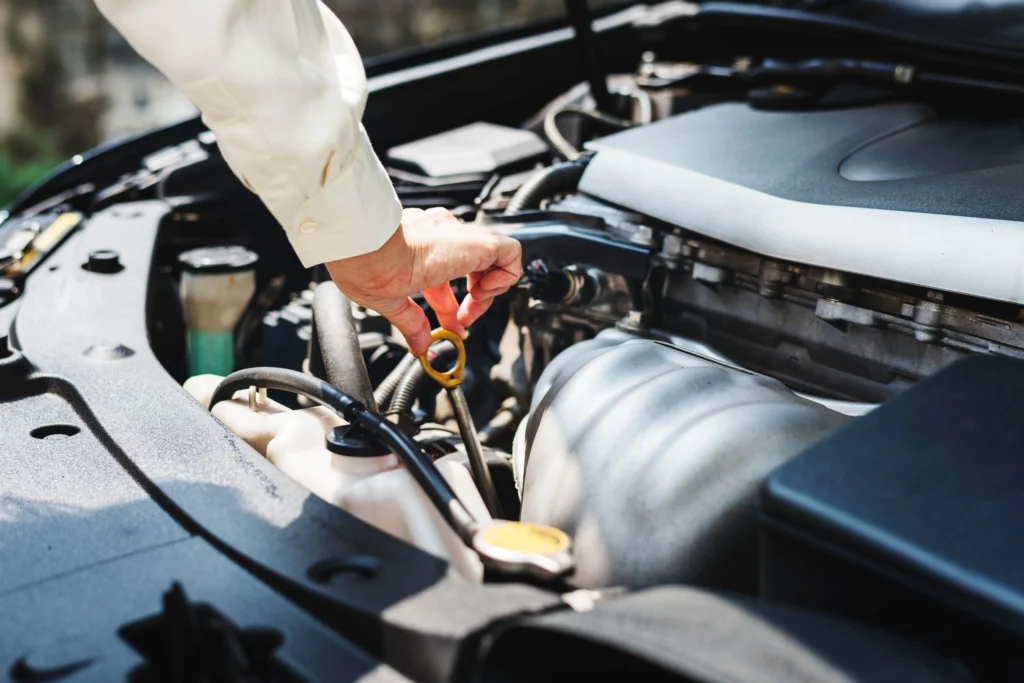
Your engine is running hotter than it ever has. The coolant’s working overtime. The oil’s thinning. The transmission fluid’s breaking down. And if you’re not checking your vehicle fluids regularly, you’re one hot day away from a catastrophic failure.
Here’s the thing: summer fluid maintenance isn’t complicated. But it’s critical. Most fleet managers know they should check fluids. But they don’t know which ones matter most in summer. They don’t know how heat affects different fluids. They don’t know what warning signs to look for.
The result? Preventable breakdowns. Expensive repairs. Angry customers. Frustrated drivers sitting on the hard shoulder in 30°C heat.
But here’s the good news: proper fluid maintenance prevents most summer breakdowns. Regular checks. Fluid top-ups. Timely replacements. These simple steps keep your fleet running reliably all summer long.
In this guide, we’re going to explain exactly which fluids matter most in summer, how heat affects each one, and exactly what you need to do to keep your fleet running safely.
Key Takeaways
- Engine oil thins in summer heat, reducing protection—check weekly and change more frequently
- Coolant is your first line of defence against overheating—check weekly and top up as needed
- Transmission fluid breaks down faster in summer—check monthly and replace annually
- Brake fluid absorbs moisture and boils in summer heat—inspect for contamination and replace annually
- Power steering fluid needs checking monthly during summer months
- Proper fluid maintenance prevents 85% of summer breakdowns and extends vehicle lifespan by 30%
Why Summer Heat Destroys Vehicle Fluids
The Physics of Heat
Summer heat doesn’t just make your engine run hotter. It fundamentally changes how your fluids behave. All vehicle fluids work harder in summer. Engine oil thins as temperature increases, reducing its protective film between engine components. Coolant boils if pressure drops. Transmission fluid breaks down faster. Brake fluid absorbs moisture from the air.
Heat accelerates chemical breakdown. It reduces fluid viscosity. It increases evaporation. It creates conditions where fluids can’t do their job properly.
This is why summer fluid maintenance is different from winter maintenance. You’re not just topping up fluids. You’re managing a fluid crisis that happens every summer. According to 2026 UK fleet maintenance planning guidance, summer heat is one of the most critical factors affecting fleet reliability.
The Domino Effect
One fluid failure triggers others. If your coolant fails, your engine overheats. If your engine overheats, your oil breaks down faster. If your oil breaks down, your engine seizes. If your engine seizes, your transmission fails next.
This is why understanding vehicle fluids matters. You’re not just preventing individual failures. You’re preventing a cascade of failures that can destroy your entire engine. Fleet vehicle maintenance programmes emphasise this interconnected approach to reliability.
Engine Oil: Your Engine’s Lifeline
Why Engine Oil Matters in Summer
Engine oil does one job: protect your engine. It lubricates moving parts. It reduces friction. It absorbs heat. It carries away contaminants.
In summer, oil has to work harder. Your engine runs hotter. The oil thins. The protective film weakens. The risk of metal-to-metal contact increases.
Thin oil provides less protection than thick oil, especially under high temperatures. Your engine components wear faster. Your engine life shortens.
Checking Engine Oil in Summer
Check oil level weekly during summer. Not monthly. Weekly. Temperature changes cause oil level fluctuations. Oil evaporates in summer heat. Oil consumption increases as the engine works harder.
Use the dipstick method:
- Park on level ground
- Wait 5 minutes after engine shutdown for oil to settle
- Remove dipstick and wipe clean
- Reinsert and remove again to check level
- Top up if below minimum mark
Check oil colour too. Fresh oil is amber. Dark oil indicates contamination or age. Black oil means your engine is working hard and needs an oil change soon.
Oil Change Intervals in Summer
Standard oil change intervals are 10,000 miles or 12 months. In summer, reduce this to 7,500 miles or 6 months.
Why? Summer heat accelerates oil breakdown. Your engine works harder in summer (air conditioning load, highway driving). Oil consumption increases. Contamination accumulates faster.
Synthetic oils last longer than conventional oils. If you’re using conventional oil, change it more frequently in summer. Small business fleet maintenance strategies recommend synthetic oils for summer reliability.
Coolant: Your Engine’s Cooling System
Why Coolant Matters in Summer
Coolant does one critical job: absorb heat from your engine and transfer it to the radiator. If coolant fails, your engine overheats. If your engine overheats, it seizes. If it seizes, you’ve got a £5,000+ repair bill.
Summer heat puts extreme stress on your cooling system. Your engine runs hotter. Your radiator works harder. Your coolant temperature climbs.
If your coolant level is low, your engine overheats faster. If your coolant is old, it loses its cooling efficiency. If your coolant is contaminated, it clogs your radiator.
Checking Coolant in Summer
Check coolant level weekly in summer. Never open the radiator cap when the engine is hot—you risk severe burns from pressurised steam.
Check when the engine is cold (first thing in the morning). The coolant level should be between the minimum and maximum marks on the overflow tank.
Look at coolant colour too. Fresh coolant is bright green, orange, or pink depending on the type. Brown or murky coolant indicates contamination. Replace it immediately.
Coolant Replacement Schedule
Coolant typically lasts 2 years or 30,000 miles. In summer, inspect it every 6 months. If it looks discoloured or contaminated, replace it immediately. Summer car maintenance priorities emphasise coolant as your first defence against overheating.
Transmission Fluid: Your Gearbox’s Protection
Why Transmission Fluid Matters in Summer
Transmission fluid lubricates your gearbox. It transfers power from the engine to the wheels. It cools your transmission.
In summer, transmission fluid works harder. Your vehicle climbs hills. Your air conditioning runs. Your transmission generates extra heat.
Transmission fluid breaks down faster in summer heat. The protective additives break down. The fluid loses viscosity. Your gearbox wears faster.
Checking Transmission Fluid in Summer
Check transmission fluid monthly in summer. The process is similar to checking engine oil:
- Park on level ground
- Engine running, transmission in neutral
- Locate transmission dipstick (usually orange or red)
- Wipe clean and reinsert
- Remove and check level
Transmission fluid should be bright red. Dark red or brown fluid indicates age or contamination. Burnt smell indicates overheating.
Transmission Fluid Replacement
Transmission fluid typically lasts 60,000 miles or 4 years. In summer, consider replacing it annually if your vehicle operates in hot climates or towing conditions. Heat effects on vehicle maintenance highlight transmission fluid as particularly vulnerable to summer degradation.
Brake Fluid: Your Safety System
Why Brake Fluid Matters in Summer
Brake fluid transfers your foot pressure to your brake pads. Without it, you have no brakes.
Here’s the critical issue: brake fluid absorbs moisture from the air. In summer, humidity is high. Moisture accumulates in your brake fluid. When brake fluid heats up, the water boils. Boiling water creates vapour pockets. Vapour pockets mean soft brakes or brake failure.
This is why maintaining brake fluid is a safety issue, not just a maintenance issue.
Checking Brake Fluid in Summer
Check brake fluid level monthly. Brake fluid should be between minimum and maximum marks on the reservoir.
Check brake fluid colour. Fresh brake fluid is clear or slightly amber. Dark brown fluid indicates contamination or age.
Brake Fluid Replacement
Brake fluid should be replaced annually. In summer, consider replacing it every 6 months if your vehicle operates in hot climates. Annual brake fluid replacement prevents brake failure incidents and ensures your safety system works reliably. Spencer’s MOT summer maintenance tips stress brake fluid checks as essential for summer safety.
Power Steering Fluid: Your Steering System
Why Power Steering Fluid Matters in Summer
Power steering fluid transfers your steering input to your wheels. It lubricates your power steering pump. It provides hydraulic pressure for steering.
In summer, power steering fluid works harder. Your vehicle operates at higher temperatures. Your power steering pump generates extra heat.
Power steering fluid breaks down in summer heat, reducing its protective properties. Your steering becomes harder. Your power steering pump wears faster.
Checking Power Steering Fluid in Summer
Check power steering fluid monthly in summer. The reservoir is usually transparent, so you can see the level without removing the cap.
Power steering fluid should be bright red or amber. Dark fluid indicates age or contamination. Summer vehicle maintenance checklists recommend monthly power steering fluid checks during warm months.
Windscreen Washer Fluid: Your Visibility System
Why Windscreen Washer Fluid Matters in Summer
Windscreen washer fluid keeps your windscreen clean. In summer, you need it more than ever. Insects splatter on your windscreen. Dust accumulates. Sun glare increases.
A dirty windscreen reduces visibility. Reduced visibility increases accident risk.
Checking Windscreen Washer Fluid in Summer
Check windscreen washer fluid weekly. Top up as needed. Use summer-grade washer fluid that cleans better in heat.
Fluid Maintenance Schedule for Summer
Weekly Checks
- Engine oil level
- Coolant level
- Windscreen washer fluid
Monthly Checks
- Transmission fluid
- Brake fluid
- Power steering fluid
Before Summer (May)
- Change engine oil
- Flush and replace coolant if needed
- Inspect all fluid hoses for cracks or leaks
- Check brake fluid for contamination
Throughout Summer
- Maintain weekly and monthly check schedules
- Top up fluids as needed
- Watch for warning signs (overheating, hard steering, soft brakes)
Cost Analysis: Prevention vs Emergency
Emergency Fluid Failure Costs
Engine overheating: £2,000–£5,000 (engine replacement) Transmission failure: £3,000–£8,000 (transmission replacement) Brake failure: £500–£2,000 (brake system repair) + accident liability Power steering failure: £800–£2,000 (pump replacement)
Total potential cost: £6,300–£17,000 per vehicle
Preventative Fluid Maintenance Costs
Weekly checks: £0 (DIY) Monthly checks: £0 (DIY) Oil changes (3 times per summer): £150–£300 Coolant flush: £100–£200 Transmission fluid change: £150–£300 Brake fluid replacement: £100–£150 Power steering fluid flush: £80–£150
Total annual cost per vehicle: £580–£1,100
Return on Investment
Preventing one engine failure saves £2,000–£5,000. Preventing one transmission failure saves £3,000–£8,000. Preventing one brake failure saves £500–£2,000 plus accident liability.
The maths is clear: fleet maintenance cost reduction strategies show that preventive maintenance saves thousands in emergency repairs. Fleet management best practices demonstrate that organisations investing in fluid maintenance reduce downtime by up to 30%.
Conclusion: Fluid Maintenance Is Reliability Maintenance
Here’s what we’ve covered: vehicle fluid maintenance isn’t optional. It’s reliability infrastructure. It’s safety infrastructure. It’s cost management.
When your fluids are properly maintained, your engine runs cool. Your transmission shifts smoothly. Your brakes work reliably. Your steering responds instantly.
When your fluids fail, your vehicle fails. When your vehicle fails on a motorway, the consequences can be catastrophic.
So here’s what you need to do:
This week: Check all fluid levels on your entire fleet.
Next week: Inspect all fluid hoses for cracks or leaks.
Before May: Schedule oil changes, coolant flushes, and brake fluid replacements.
Throughout summer: Maintain weekly and monthly check schedules.
Your drivers depend on you to keep them safe. Your business depends on you to keep vehicles reliable. Your bottom line depends on you to prevent expensive emergencies.
Start your summer fluid maintenance programme today. Proper planning and execution are your best investments in reliability.
FAQ: Vehicle Fluids in Summer
How often should I check engine oil in summer?
Check weekly during summer months. Summer heat increases oil consumption and accelerates breakdown, so weekly checks catch low levels before they cause damage.
What colour should engine oil be, and when should I change it?
Fresh oil is amber; dark oil indicates contamination or age. If oil is very dark or black, change it immediately—this signals your engine is working hard and the oil has lost its protective properties.
How do I know if my coolant needs replacing?
If coolant is brown, murky, or smells burnt, replace it immediately. Otherwise, replace annually or every 30,000 miles, but inspect every 6 months during summer.
Why is brake fluid so critical in summer, and how often should I replace it?
Brake fluid absorbs moisture that boils in summer heat, creating vapour pockets that cause brake failure. Replace brake fluid annually, or every 6 months in hot climates, to prevent safety incidents.
What’s the difference between transmission fluid colour and when should I change it?
Transmission fluid should be bright red; dark red or brown indicates age or contamination. Change it every 60,000 miles normally, but consider annual replacement in summer if towing or operating in hot conditions.
How can I tell if my power steering fluid is failing?
Hard steering or whining noise when turning indicates low or degraded power steering fluid. Top up immediately and check monthly during summer to prevent steering system damage.