 Skip to content
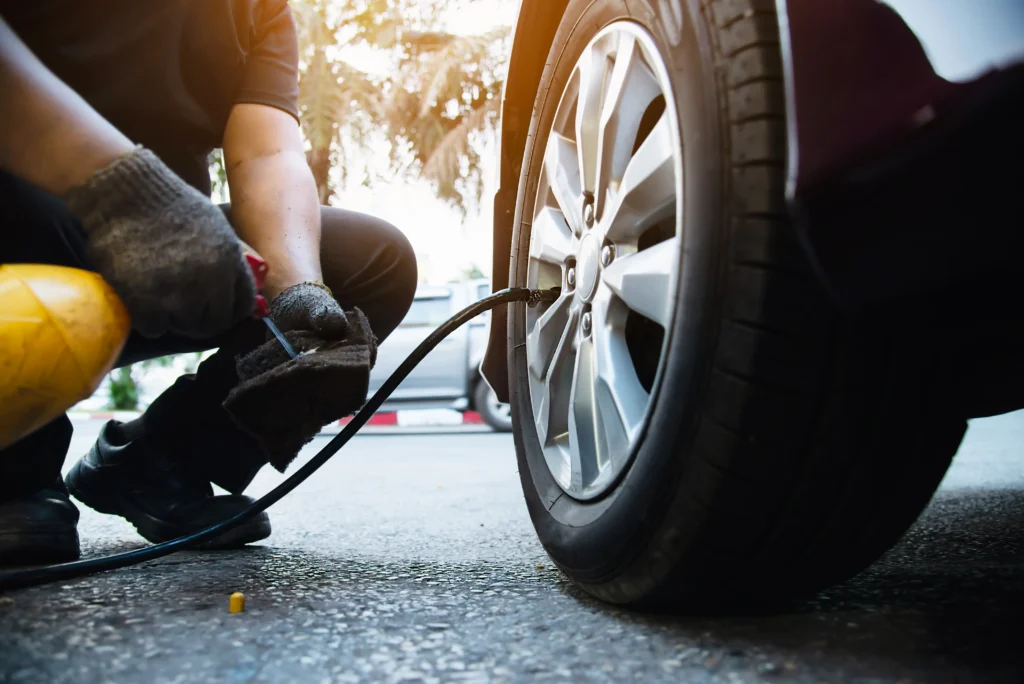
Your tyres are screaming.
Not literally, but if you listen carefully on a hot motorway, you’ll hear a subtle hum—that’s the sound of rubber working overtime. Summer heat is brutal on tyres. The asphalt’s radiating 60°C. Your tyre temperature’s climbing. The rubber’s softening. The pressure’s rising. And if your tyres aren’t properly maintained, you’re one pothole away from a blowout.
Here’s what most fleet managers don’t realise: tyre failures aren’t random. They’re predictable. They’re preventable. And they’re catastrophic when they happen.
A tyre blowout on a motorway doesn’t just mean a replacement tyre. It means a breakdown recovery truck. It means lost productivity. It means your driver sitting on the hard shoulder in the heat for hours. It means your customer’s delivery is late. It means your reputation takes a hit. It means potential injury or worse.
But here’s the good news: proper tyre maintenance prevents most failures. Regular pressure checks. Rotation schedules. Tread depth monitoring. Alignment inspections. These simple steps keep your tyres safe and performing all summer long.
In this guide, we’re going to explain exactly how heat affects your tyres, what can go wrong, and exactly what you need to do to keep your fleet rolling safely through summer.
Key Takeaways
- Summer heat increases tyre pressure and accelerates wear, requiring weekly pressure checks
- Proper tyre pressure improves fuel efficiency by 3–5% and extends tyre lifespan by 20–30%
- Tyre blowouts cost £1,500–£3,000 in recovery and lost productivity per incident
- Regular rotation, alignment checks, and tread depth monitoring prevent 80% of tyre failures
- Heat-related tyre failures are the leading cause of motorway breakdowns in summer
- Preventative tyre maintenance costs £40–£80 per vehicle and prevents expensive emergencies
Why Summer Heat Destroys Tyres
The Physics of Heat
Let’s talk about what happens to your tyres in summer heat. The asphalt temperature climbs to 50–60°C. Your tyre temperature climbs even higher—sometimes reaching 70–80°C. The rubber softens. The air inside expands. The pressure rises. Summer heat accelerates tyre degradation significantly.
This is where most fleet managers make a critical mistake: they assume their tyres are fine because they checked them in spring. But tyre pressure changes with temperature. For every 10°C increase, pressure rises 1 PSI. A tyre that was perfectly pressurised in May might be dangerously overinflated in July.
Overinflated tyres are dangerous. The centre wears faster than the edges. The tyre becomes stiffer and less able to absorb road imperfections. The risk of blowout increases. This is why weekly pressure checks are essential during summer.
Tread Depth and Heat
Your tyre tread is designed to channel water away and maintain grip. In summer, you might think tread depth doesn’t matter—it’s dry, right?
Wrong. Hot asphalt is slippery. Tyres with worn tread don’t grip as well on hot surfaces. The risk of skidding increases. tread depth recommendations. In summer, that extra tread provides crucial safety margin.
Sidewall Damage
Summer heat accelerates sidewall degradation. UV rays break down the rubber. Heat causes hardening and cracking. Small cracks become larger cracks. Cracks become weak points. Weak points become blowouts. Regular sidewall inspections prevent catastrophic failures.
This is why regular visual inspections are critical. Look for cracks, bulges, or unusual wear patterns. If you spot anything suspicious, replace the tyre immediately.
The Cost Analysis: Prevention vs Emergency
Emergency Tyre Failure Costs
A tyre blowout on a motorway costs:
- Recovery truck: £150–£300
- Replacement tyre: £80–£200
- Labour: £50–£100
- Lost productivity: £200–£1,000+
Total: £480–£1,600 per incident.
If your fleet experiences two tyre failures per summer, you’re looking at £960–£3,200 in costs. That’s not including potential accident liability or reputational damage.
Preventative Maintenance Costs
Comprehensive tyre maintenance includes:
- Weekly pressure checks: £0 (DIY)
- Monthly tread depth inspection: £0 (DIY)
- Quarterly rotation: £30–£50 per vehicle
- Annual alignment check: £40–£80 per vehicle
Total annual cost per vehicle: £40–£80.
For a 20-vehicle fleet: £800–£1,600 annually.
Return on Investment
If preventative maintenance prevents just one tyre failure per summer, you’ve saved £480–£1,600. Additionally, fuel efficiency improves by 3–5%, saving £500–£1,500 per vehicle annually.
The maths is simple: preventative tyre maintenance pays for itself many times over.
Essential Summer Tyre Care Checklist
Weekly Pressure Checks
Check tyre pressure every week during summer. Temperature fluctuations cause pressure changes. A tyre that’s correctly pressurised on Monday might be overinflated by Friday if temperatures spike. Check pressure when cold—ideally first thing in the morning before driving.
Use the manufacturer’s recommended pressure, not the maximum pressure on the tyre sidewall. Check your vehicle’s door jamb or fuel door for the correct specification.
Invest in a quality digital pressure gauge. Digital gauges cost £10–£20 and provide reliable readings.
Monthly Tread Depth Inspections
Use the penny test: insert a penny into the tread with the Queen’s head facing down. If you can see the top of the Queen’s head, your tread is too shallow. Replace the tyre. Tread depth monitoring systems can automate this process.
Better yet, use a tread depth gauge. Aim for 3mm, not the legal minimum of 1.6mm.
Check multiple points across the tyre—centre, inner edge, outer edge. Uneven wear indicates alignment problems or pressure issues.
Quarterly Rotation
Rotate your tyres every 6,000–8,000 miles or quarterly. Rotation ensures even wear and extends tyre lifespan by 20–30%.
Front tyres wear faster due to steering forces. Rotating them to the rear slows wear. Regular rotation extends lifespan and improves safety.
Annual Alignment Check
Misaligned wheels cause uneven tyre wear and increase fuel consumption. Annual alignment checks cost £40–£80 and prevent costly tyre replacement.
Schedule checks in spring before summer driving peaks.
Visual Sidewall Inspections
Every week, do a quick visual inspection of all four tyres. Look for:
- Cracks or splits in the rubber
- Bulges or blisters
- Unusual wear patterns
- Debris embedded in the tyre
If you spot anything suspicious, replace the tyre immediately. A £100 tyre replacement is far cheaper than a £1,500 breakdown recovery.
Advanced Tyre Management Strategies
Tread Depth Monitoring Systems
Modern telematics systems can monitor tyre tread depth and alert you when tyres approach replacement thresholds. These systems provide real-time data on tyre condition, allowing you to plan replacements proactively.
Investment: £100–£200 per vehicle (one-time).
Pressure Monitoring Systems (TPMS)
Tyre Pressure Monitoring Systems automatically alert you when pressure drops below safe levels. TPMS systems are now standard on most vehicles.
If your vehicles don’t have TPMS, consider aftermarket systems costing £150–£300 per vehicle.
Driver Training
Train your drivers to:
- Recognise signs of tyre problems (unusual vibration, pulling to one side, unusual noise)
- Report tyre issues immediately
- Avoid driving on damaged tyres
- Understand the relationship between tyre maintenance and safety
Common Summer Tyre Problems
Blowouts
Blowouts happen when tyre pressure exceeds the tyre’s structural capacity. Causes include overinflation, impact damage, or sidewall weakness.
Prevention: Weekly pressure checks, visual inspections, and proper inflation.
Punctures
Punctures occur when sharp objects penetrate the tyre. Summer heat accelerates puncture development.
Prevention: Regular visual inspections and avoiding debris-filled roads when possible.
Small punctures (less than 3mm) can be repaired. Larger punctures require replacement.
Uneven Wear
Uneven wear indicates misalignment or pressure problems. Front tyres wearing faster on inside edges indicate toe-in misalignment.
Prevention: Annual alignment checks and weekly pressure monitoring.
Sidewall Cracking
Sidewall cracks develop from age, heat exposure, and UV damage. Summer heat accelerates cracking.
Prevention: Regular visual inspections and timely tyre replacement (typically every 5–7 years).
Preparing Your Fleet for Summer
Pre-Summer Tyre Audit
In May, conduct a comprehensive tyre audit on your entire fleet:
- Check pressure on all vehicles
- Inspect tread depth on all tyres
- Look for sidewall damage or cracking
- Check alignment on vehicles with uneven wear
- Replace any tyres that don’t meet safety standards
This takes 30 minutes per vehicle and costs £40–£80 per vehicle.
Driver Communication
Brief your drivers on summer tyre safety. Explain why tyre maintenance matters. Teach them to recognise tyre problems. Encourage them to report issues immediately.
Maintenance Team Preparation
Ensure your maintenance team has proper pressure gauges, tread depth gauges, and adequate stock of replacement tyres. Have clear protocols for emergency tyre replacement.
Conclusion: Tyre Maintenance Is Safety Maintenance
Here’s what we’ve covered: tyre maintenance isn’t optional. It’s safety infrastructure. It’s cost management. It’s operational reliability.
When your tyres are properly maintained, your drivers are safe. When your tyres fail, your drivers are at risk. When your tyres fail on a motorway, the consequences can be catastrophic.
When you maintain your tyres proactively, you spend £40–£80 per vehicle annually. When you ignore tyre maintenance, you spend £480–£1,600 per incident. Most fleets experience multiple failures per summer.
So here’s what you need to do:
This week: Check tyre pressure on your entire fleet.
Next week: Conduct visual inspections on all tyres.
Before May: Schedule alignment checks for vehicles with uneven wear.
In May: Conduct a comprehensive pre-summer tyre audit.
Throughout summer: Conduct weekly pressure checks, monthly tread depth inspections, and quarterly rotations.
Your drivers depend on you to keep them safe. Your business depends on you to keep vehicles reliable. Your bottom line depends on you to prevent expensive emergencies.
Start your summer tyre maintenance programme today.
FAQ: Tyre Care in Hot Weather
How often should I check tyre pressure in summer?
Weekly. Temperature fluctuations cause pressure changes. Check pressure every week during summer months.
What’s the correct tyre pressure for my vehicle?
Check your vehicle’s door jamb or fuel door for the manufacturer’s recommended pressure. Don’t use the maximum pressure on the tyre sidewall.
How do I know if my tyres need replacing?
Use the penny test or a tread depth gauge. If tread depth is below 3mm, replace the tyre. Also replace tyres with visible sidewall cracks, bulges, or severe uneven wear.
Does tyre pressure affect fuel consumption?
Yes. Underinflated tyres increase fuel consumption by 3–5%. Properly inflated tyres maintain fuel efficiency.
Can I repair a punctured tyre?
Small punctures (less than 3mm) can be repaired. Larger punctures or sidewall damage require replacement.
How does heat affect tyre lifespan?
Summer heat accelerates tyre degradation. Tyres typically last 5–7 years regardless of tread depth.
What’s the difference between rotation and balancing?
Rotation moves tyres to different positions for even wear. Balancing adjusts weight distribution to prevent vibration. Both are important.
Should I use higher pressure in summer?
No. Use the manufacturer’s recommended pressure year-round. Pressure increases naturally with temperature.
What’s TPMS and do I need it?
Tyre Pressure Monitoring Systems automatically alert you when pressure drops. TPMS is standard on most modern vehicles.
How do I prevent blowouts?
Weekly pressure checks, monthly tread depth inspections, visual sidewall inspections, and annual alignment checks prevent most blowouts.